Dachau Song
Paul F. Cummins
Estado :
Novo
Vendido por
País de expedição : Reino Unido
Comentários do vendedor
Livro novo; R�pido do Reino Unido; N�o ficar� desapontado - New book; Fast from the UK; Will not be disappointed
Resumo
Ver tudo
Dachau Song
Herbert Zipper was born in 1904 in Hapsburg, Vienna. He was educated in the finest academies, studying under Richard Strauss and Maurice Ravel, among others, and became a conductor-composer in Germany in the early 1930s. When Hitler became Chancellor, he hastened back to Vienna, composing music for underground cabarets. In 1938, after the Anschluss, he was sent to Dachau and transferred to Buchenwald (1939). In Dachau, he organized clandestine concerts in an abandoned latrine. He and prisonmate Jura Soyfer also...
Herbert Zipper was born in 1904 in Hapsburg, Vienna. He was educated in the finest academies, studying under Richard Strauss and Maurice Ravel, among others, and became a conductor-composer in Germany in the early 1930s. When Hitler became Chancellor, he hastened back to Vienna, composing music for underground cabarets. In 1938, after the Anschluss, he was sent to Dachau and transferred to Buchenwald (1939). In Dachau, he organized clandestine concerts in an abandoned latrine. He and prisonmate Jura Soyfer also...

Dachau Song
Resumo
Dachau Song
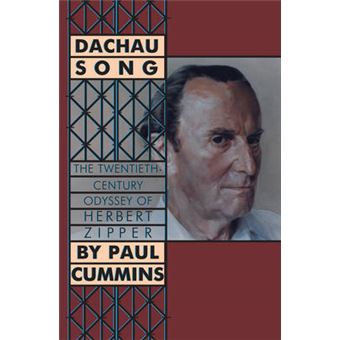
Herbert Zipper was born in 1904 in Hapsburg, Vienna. He was educated in the finest academies, studying under Richard Strauss and Maurice Ravel, among others, and became a conductor-composer in Germany in the early 1930s. When Hitler became Chancellor, he hastened back to Vienna, composing music for underground cabarets. In 1938, after the Anschluss, he was sent to Dachau and transferred to Buchenwald (1939). In Dachau, he organized clandestine concerts in an abandoned latrine. He and prisonmate Jura Soyfer also composed a song, The Dachau Lied, which was to have an extraordinary history. He was released from Buchenwald and journeyed to Manila to marry the love of his life and to conduct the Manila Symphony Orchestra. When the Japanese invaded (1942), he was put in prison again. A few weeks after the liberation of Manila, out of the rubble of the city he created an extraordinary concert. After the war he came to America, was responsible for the founding of over a dozen community arts schools, and has been an internationally effective educator. Throughout his remarkable journey, Zipper maintained a spirit of hope and achievement. This is a story of the triumph of human will and spirit.
Nº de Páginas: 308
Encadernação: Capa Mole / Paperback
Tema: History of the Americas
Herbert Zipper was born in 1904 in Hapsburg, Vienna. He was educated in the finest academies, studying under Richard Strauss and Maurice Ravel, among others, and became a conductor-composer in Germany in the early 1930s. When Hitler became Chancellor, he hastened back to Vienna, composing music for underground cabarets. In 1938, after the Anschluss, he was sent to Dachau and transferred to Buchenwald (1939). In Dachau, he organized clandestine concerts in an abandoned latrine. He and prisonmate Jura Soyfer also composed a song, The Dachau Lied, which was to have an extraordinary history. He was released from Buchenwald and journeyed to Manila to marry the love of his life and to conduct the Manila Symphony Orchestra. When the Japanese invaded (1942), he was put in prison again. A few weeks after the liberation of Manila, out of the rubble of the city he created an extraordinary concert. After the war he came to America, was responsible for the founding of over a dozen community arts schools, and has been an internationally effective educator. Throughout his remarkable journey, Zipper maintained a spirit of hope and achievement. This is a story of the triumph of human will and spirit.
Nº de Páginas: 308
Encadernação: Capa Mole / Paperback
Tema: History of the Americas
Publicidade
Avaliações dos nossos clientes
Dachau Song
Sê o primeiro a dar
a tua opinião sobre este produto
Características
- Editora
-
Peter Lang Inc., International Academic Publishers
- Idiomas
-
Inglês
- Número de páginas
-
308,0
- Peso
-
500,0
- Data de lançamento
-
05/01/2013
- Colecção
-
Theory of music & musicology
- EAN
-
9781433125751
Publicidade
Publicidade