Rubens And The Eloquence Of Drawing Visual Culture In Early Modernity
Catherine H. Lusheck
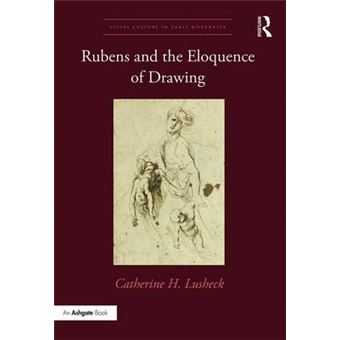
Rubens and the Eloquence of Drawing re-examines the early graphic practice of the preeminent northern Baroque painter Peter Paul Rubens (Flemish, 1577â1640) in light of early modern traditions of eloquence, particularly as promoted in the late sixteenth- and early seventeenth-century Flemish, Neostoic circles of philologist, Justus Lipsius (1547â1606). Focusing on the roles that rhetorical and pedagogical considerations played in the artistâs approach...

Resumo
Rubens and the Eloquence of Drawing re-examines the early graphic practice of the preeminent northern Baroque painter Peter Paul Rubens (Flemish, 1577â1640) in light of early modern traditions of eloquence, particularly as promoted in the late sixteenth- and early seventeenth-century Flemish, Neostoic circles of philologist, Justus Lipsius (1547â1606). Focusing on the roles that rhetorical and pedagogical considerations played in the artistâs approach to disegno during and following his formative Roman period (1600â08), this volume highlights Rubensâs high ambitions for the intimate medium of drawing as a primary site for generating meaningful and original ideas for his larger artistic enterprise. As in the Lipsian realm of writing personal letters â the humanist activity then described as a cognate activity to the practice of drawing â a Senecan approach to eclecticism, a commitment to emulation, and an Aristotelian concern for joining form to content all played important roles.
Two chapter-long studies of individual drawings serve to demonstrate the relevance of these interdisciplinary rhetorical concerns to Rubensâs early practice of drawing. Focusing on Rubensâs Medea Fleeing with Her Dead Children (Los Angeles, Getty Museum), and Kneeling Man (Rotterdam, Museum Boijmans Van Beuningen), these close-looking case studies demonstrate Rubensâs commitments to creating new models of eloquent drawing and to highlighting his own status as an inimitable maker. Demonstrating the force and quality of Rubensâs intellect in the medium then most associated with the closest ideas of the artist, such designs were arguably created as more robust pedagogical and preparatory models that could help strengthen art itself for a new and often troubled age.
Nº de Páginas: 344
Encadernação: Capa Dura / Hardback
Tema: The arts: general issues
Avaliações dos nossos clientes
Sê o primeiro a dar
a tua opinião sobre este produto
Características
- Editora
-
Taylor & Francis
- Idiomas
-
Inglês
- Número de páginas
-
344,0
- Peso
-
952,54
- Colecção
-
The arts: general issues
- Data de lançamento
-
07/08/2017
- Série/Edição Limitada
-
1
- EAN
-
9781472477125